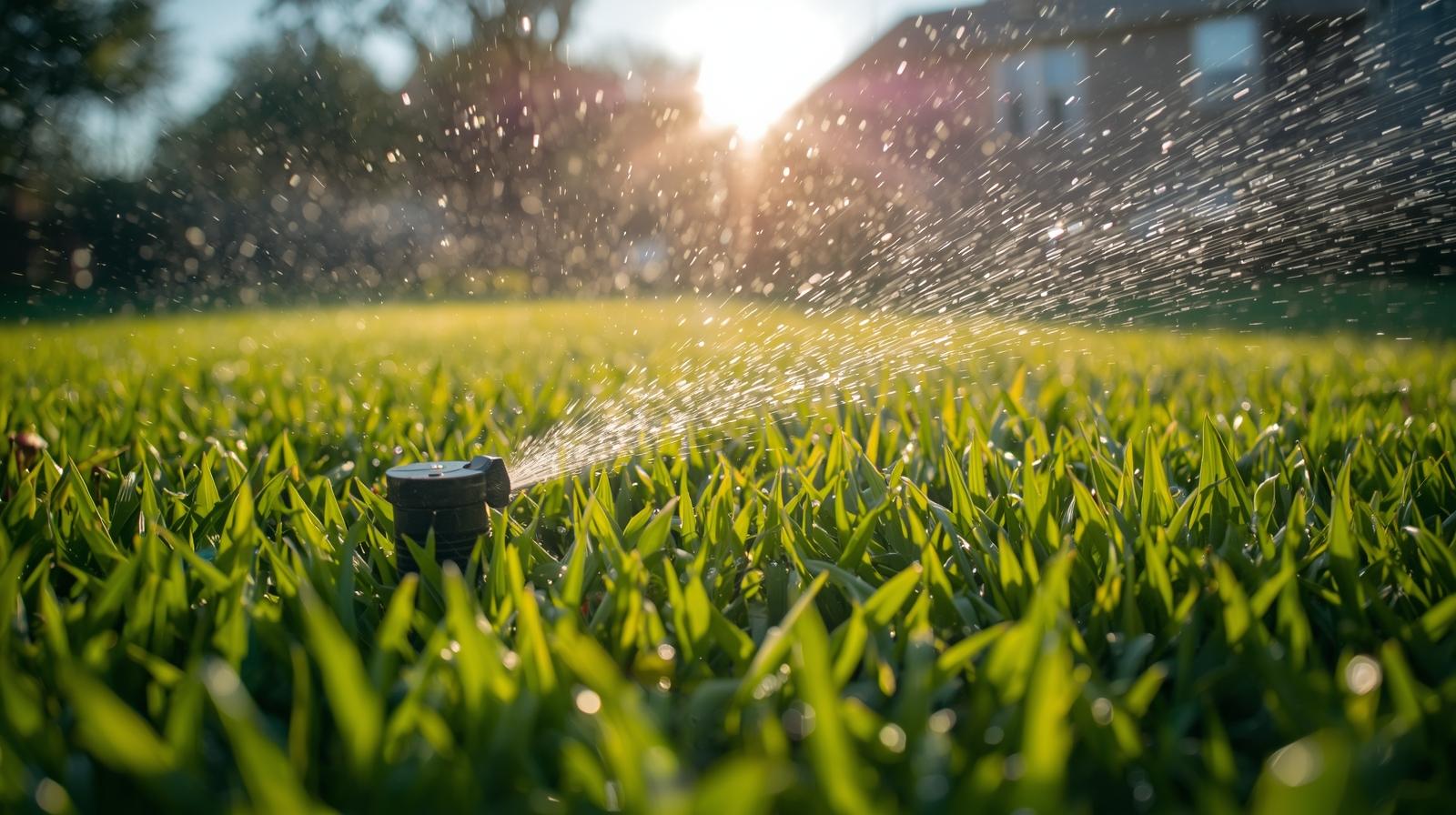
A properly maintained sprinkler system functions as a vital component which maintains your lawn’s green color and its healthy appearance and vibrant growth. An efficient irrigation system ensures your grass receives the right amount of water without wasting resources. However, like any outdoor system, sprinklers require regular maintenance to function properly.
Sprinkler systems will develop various problems including blocked sprinkler heads and water leaks and uneven watering patterns and reduced water pressure when they do not receive proper maintenance. The system creates three types of problems which result in dry patches and excessive watering and increased water expenses.
This guide contains vital sprinkler system maintenance advice which enables you to protect your lawn health while your irrigation system operates at peak performance throughout each season.
1. Inspect Your Sprinkler System Regularly
The most important maintenance task requires you to check your sprinkler system on a regular basis. Checking your system every few weeks helps you detect small issues before they turn into major problems.
During inspection, look for:
- Broken or damaged sprinkler heads.
- Uneven water distribution.
- Sprinklers that do not pop up properly.
- Areas receiving too much or too little water.
Early detection helps prevent costly repairs and ensures your lawn stays evenly watered.
2. Clean Sprinkler Heads
Sprinkler heads tend to accumulate dirt together with grass clippings and other debris which gathers throughout the years. The accumulation of minerals blocks water movement which leads to decreased irrigation system performance.
The following problems occur when sprinkler heads become blocked:
- The spray patterns become weak.
- The system delivers water unevenly.
- The water pressure decreases.
To clean them, remove the sprinkler head and rinse it with water. You can also use a small pin or wire to remove debris from the nozzle. Cleaning your sprinkler heads regularly ensures proper water distribution across your lawn.
3. Check for Leaks in the Irrigation System
Water leaks represent a standard problem which occurs in sprinkler system operations. Small water leaks lead to substantial water loss which also damages how well the system performs.
The following signs indicate irrigation system leaks have occurred:
- The yard shows damp areas which become permanently wet.
- The water bill exceeds normal consumption levels.
- The sprinkler system shows decreased water pressure.
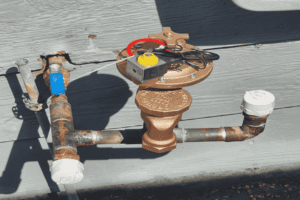
You need to check all pipes and valves and sprinkler connection points when you suspect there might be a leak. Water conservation becomes possible through quick repair of leaks which lets you protect your lawn from damage.
4. Adjust Sprinkler Heads for Proper Coverage
The position of sprinkler heads tends to change because the ground shifts and people perform landscaping activities and lawn equipment accidentally hits them.
The sprinklers will distribute water unevenly across your lawn because the incorrect positioning of your sprinkler heads results in excessive watering for some areas and insufficient watering for others.
Each sprinkler head needs to point at the exact area which requires watering. You need to modify the spray pattern and angle to distribute water evenly across your entire lawn. Proper alignment helps avoid dry patches and water waste.
5. Check Water Pressure
The water pressure system determines how well your sprinkler system will operate. The system experiences damage to its sprinkler heads when excessive pressure occurs but low water pressure produces weak spray patterns. The installation of a pressure regulator becomes necessary when water pressure reaches dangerous levels. The irrigation lines need to be checked for leaks and blockages when water pressure levels become too low. Your system distributes water effectively because you maintain the correct water pressure.
6. Replace Broken Sprinkler Heads
The sprinkler heads remain open to damage because lawn mowers and people walking and using landscaping equipment can harm them. Water tends to gather in certain areas while the irrigation system delivers water unevenly because of damaged sprinkler heads.
The following signs indicate a broken sprinkler head:
- The water flow shows up in the wrong direction.
- Sprinklers that do not pop up.
- Water pooling around the sprinkler head.
You need to replace broken sprinkler heads quickly because this action protects your irrigation system from damage while it stops water from being wasted.
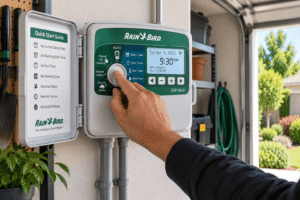
7. Test the Irrigation Controller
Your sprinkler system requires an irrigation controller to operate as its central control unit. The system manages both the timing of watering and the specific areas to water and how long to run each session. The controller system experiences operational failures because of electrical faults and when programmers enter inaccurate instructions.
The controller requires regular checks to verify:
- The watering schedule is correct.
- All zones activate properly.
- The system turns off as programmed.
Weather-based schedule updates enable systems to perform better during their watering operations.
8. Adjust Watering Schedule by Season
The watering needs of plants change when different seasons arrive. Lawns require minimum water during the colder season but need increased watering during the hot summer months.
The practice of giving too much water to lawns will cause diseases to develop and damage their roots but giving too little water to lawns results in dried-out grass that becomes stressed.
You need to change your sprinkler system settings between seasons to handle weather changes properly which will keep your lawn in good health.
9. Winterize Your Sprinkler System
Winterization becomes necessary to protect sprinkler systems in cold regions because freezing temperatures will cause water pipes to burst and damage the system.
Winterization typically involves:
- Shutting off the water supply.
- Draining water from the irrigation lines.
- Blowing out the system using compressed air.
Proper winterization protects your sprinkler system from freezing temperatures and costly repairs.
10. Schedule Professional Maintenance
Homeowners can handle simple maintenance tasks but professional inspections help discover hidden problems which include underground leaks and valve issues and electrical system faults.
Professional irrigation specialists need to conduct system diagnostics before they can fix any damaged components and work to enhance irrigation system performance.
Annual maintenance scheduling extends your sprinkler system’s operational life because it keeps your system working at its best.
Final Thoughts
A properly maintained sprinkler system functions as an essential element which keeps your lawn vibrant and beautiful. The system operates at its peak efficiency when you conduct regular inspections and perform sprinkler head cleaning and leak detection and water schedule adjustments.
Your lawn will stay green and vibrant through maintenance which also protects water resources and decreases your utility expenses. Your irrigation system will operate at peak performance throughout the entire year when you follow these maintenance tips which also keep your lawn in good health.
Frequently Asked Questions (FAQs)
1. How often should I maintain my sprinkler system?
You need to perform monthly inspections of your sprinkler system throughout the entire watering season. The process of regular inspections enables you to detect problems which include blocked sprinkler heads and water leaks and uneven water distribution before they develop into major issues.
2. Why is my sprinkler system watering unevenly?
The main causes of uneven watering occur because sprinkler heads become blocked and water pressure drops and sprinkler nozzles become misaligned. The system will distribute water correctly when you adjust the sprinkler heads and clean the nozzles.
3. How do I clean clogged sprinkler heads?
The irrigation system needs to be shut down before you can take out the sprinkler head for cleaning purposes. Rinse it with water and use a small pin or wire to remove dirt or debris blocking the nozzle.
4. How often should sprinkler heads be replaced?
Sprinkler heads tend to survive for about 5 to 10 years depending on how often they operate and the surrounding environmental conditions. Sprinkler heads which have broken parts or leaks or produce incorrect spray patterns need immediate replacement.
5. What is the best time to run a sprinkler system?
The best time to run a sprinkler system is early in the morning, usually between 4 AM and 9 AM. Watering during this time reduces evaporation and allows the soil to absorb moisture effectively.
6. How can I tell if my sprinkler system has a leak?
The signs which indicate a sprinkler system leak include wet patches in your lawn and decreased water pressure and rising water expenses and water accumulation near your sprinkler heads. You need to check your irrigation pipes and valves once you detect these signs.
7. Should I adjust my sprinkler schedule during different seasons?
Watering schedules need to change their patterns depending on the particular season we are in. Lawns usually need less water in cooler months and more frequent watering during hot summer weather.
8. Why are some sprinkler heads not popping up?
Sprinkler heads fail to pop up because water pressure drops or dirt gets inside or the springs inside break or there is debris blocking the head. The solution to this problem involves either cleaning the sprinkler head or replacing it with a new one.
9. Do sprinkler systems need professional maintenance?
Homeowners can handle basic maintenance tasks but experts should perform inspections at least once every twelve months. Trained professionals need special tools to find concealed problems which include underground leaks and valve issues and controller system defects.
10. How can sprinkler maintenance help keep my lawn healthy?
Regular sprinkler maintenance ensures even watering, proper water pressure, and efficient irrigation, which helps grass grow stronger and prevents dry patches or overwatering problems.