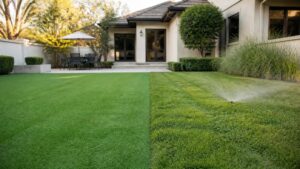

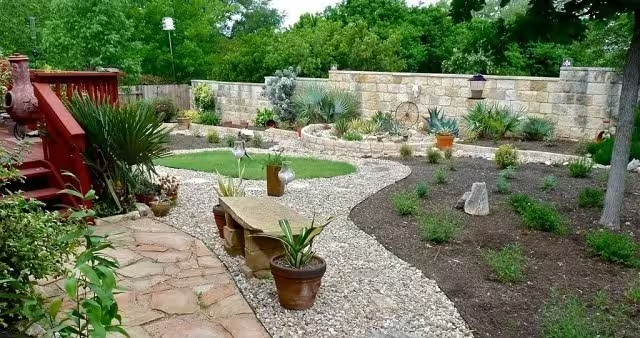
Drought-tolerant landscaping helps save water and reduce maintenance labor. It is good for the environment, can reduce energy use, and may help protect properties from wildfires, erosion, and other environmental risks. Whether it’s a residential, commercial, or public property, RotoTillerGuy offers California-native and drought-tolerant landscape designs, also known as xeriscaping.
Our services include re-vegetation and restoration landscape designs, eco-friendly irrigation and water-retention systems, as well as landscape management and maintenance advice. As a California-licensed, bonded, and insured landscape contractor, we can also implement your landscape designs.
Xeriscape & Native Landscapes
The concept of xeriscape design focuses on water conservation and the use of natural materials and plant species that are drought-tolerant and sustainable for their environment.
It involves:
- Careful planning and design: Creating a landscape plan based on site conditions, climate, and water availability.
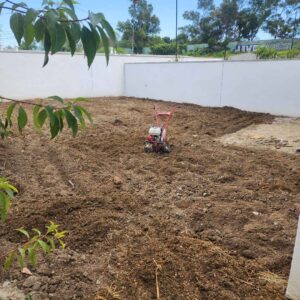
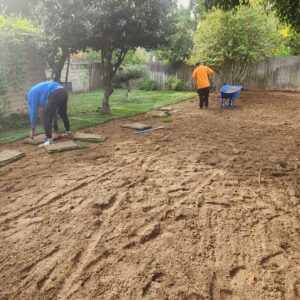
- Soil improvement: Adding organic matter to improve soil quality and increase moisture retention.
- Turf management: Minimizing turf areas or selecting low-water turf varieties where appropriate.
- Drought-tolerant or native plant selection: Choosing plants suited to the local climate and grouping them according to their specific watering needs.
- Efficient irrigation practices: Using smart irrigation systems that monitor soil moisture or drip irrigation systems that help reduce water loss through evaporation.
- The use of mulch: Applying organic materials such as compost, wood chips, and bark, or materials such as gravel, cobbles, and decomposed granite.
- Ongoing garden maintenance: Maintaining plant health and keeping the landscape attractive and functional over the long term.
Water Management
Effective water management generally involves two approaches: using existing water more efficiently and creating alternative water sources. When combined, these strategies can reduce water consumption, lower costs, and help conserve potable water resources.
Intelligent Irrigation
A variety of water-efficient irrigation products and technologies are available to help reduce water use and long-term maintenance costs. When used together as part of a properly designed irrigation system, these solutions can improve overall water efficiency.
- Rotary nozzles: Can help reduce water use compared with traditional spray nozzles.
- High-efficiency nozzles: Designed to distribute water more efficiently and reduce overspray and runoff.
- Above-ground landscape drip irrigation: Delivers water directly to plant root zones and can use significantly less water than conventional sprinklers.
- Subsurface irrigation systems: Deliver water below the soil surface, helping minimize evaporation and deliver moisture closer to plant roots.
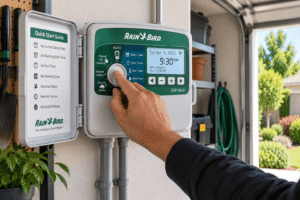
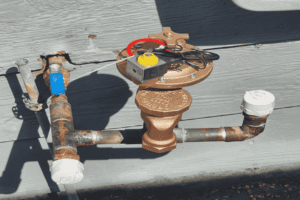
- Wireless water sensors and control valves: Soil-moisture and weather-based sensors can help determine when and how long irrigation should operate.
- Wi-Fi and smart irrigation timers: Can use local weather information and programmed schedules to automatically adjust irrigation and reduce unnecessary watering.
Rain & Graywater Collection
Rainwater and properly managed graywater can provide alternative water sources for landscape irrigation. Using these resources can help reduce reliance on potable water for appropriate outdoor applications.
Rainwater
Rainwater collection has been used for centuries and can be installed at many homes and properties with suitable roofs and gutters. The amount of water that can be collected depends on roof area, rainfall, collection efficiency, and other factors.
Rainwater collection systems can:
- Collect rainwater from roof downspouts.
- Filter collected water to remove leaves, sediment, and other debris.
- Direct collected water to rain barrels, cisterns, or other appropriate storage systems.
- Provide stored water for suitable landscape irrigation applications.
Graywater
Graywater is wastewater from sources such as bathtubs, showers, bathroom sinks, and washing machines. It does not include water from toilets. Depending on local regulations and system design, properly treated graywater may be reused for certain landscape irrigation applications.
If a graywater system is used, it is important to select appropriate, plant-friendly, biodegradable cleaning products. Certain detergents and cleaning products may contain ingredients that can negatively affect plants and soil.
Graywater systems can:
- Collect water from appropriate household plumbing sources.
- Filter or treat water as required by the system design.
- Direct treated graywater to suitable landscape irrigation areas or approved storage systems.
Choosing the Best Los Angeles Landscaper
Choosing the right landscaper is an important part of creating a water-efficient and sustainable landscape. A qualified professional can help you select appropriate native and drought-tolerant plants, improve irrigation efficiency, manage soil and mulch, and develop a landscape that fits your property’s needs.
RotoTillerGuy provides landscape design and implementation services for residential, commercial, and public properties throughout Los Angeles. Our approach combines sustainable landscape design, water-efficient irrigation, native and drought-tolerant plant selection, and ongoing landscape management.