
Choosing the Right Grass Matters More Than You Think
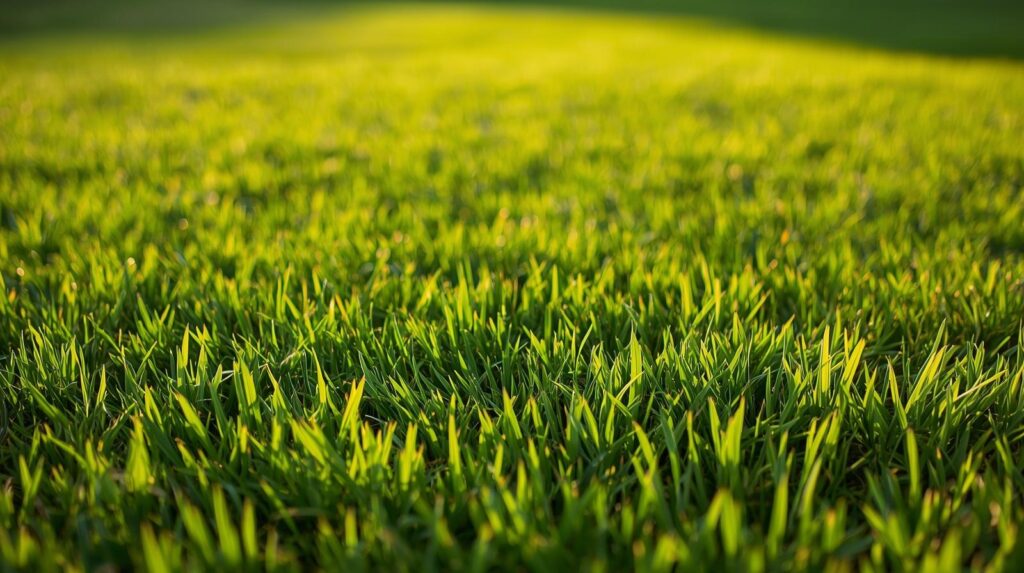
You need to select the best grass type for your Los Angeles property. When you want to build a new lawn or replace your current grass. People tend to view all types of grass as identical when they first encounter them. Grass plants establish themselves as natural ground covers which produce green vegetation that beautifies residential areas. The actual performance of different grass species depends on their natural habitat. Which includes temperature ranges and soil composition, sunlight intensity, and water supply.
Los Angeles residents must choose their grass type carefully because their location creates conditions. Which need water conservation, drought resistance, and heat tolerance for sustainable landscaping. Your lawn will stay healthy when you select the right grass species because it will need fewer maintenance activities. The initial selection process requires more than visual appeal because it determines. How well the product will function in the future while providing mental comfort.
Why Grass Selection Is Different in Los Angeles
Los Angeles presents a special set of environmental factors which determine how grass plants will develop in this area. The region experiences hot, dry weather throughout most of the year, while rainfall remains insufficient and shows no predictable pattern. Water usage limits exist, which force people to learn how they can effectively maintain their lawns with limited resources.
The soil in many parts of Los Angeles can be compact or clay-heavy. Which affects how water drains and how roots develop. The sun shines fully on particular spots throughout the day. But other locations get blocked by trees and buildings which create shaded areas.
The existing environmental factors will determine which types of grass will establish themselves in this location. The different types of grass require various amounts of water and maintenance. But some species naturally survive in hot conditions with limited moisture.
Homeowners in Los Angeles must look past the grass appearance because of this situation. The decision requires evaluation of four main factors. Which include durability and water efficiency, maintenance requirements, and adaptability to different conditions.
Warm-Season vs Cool-Season Grass
The first step to select grass types requires you to understand the two fundamental categories. Which include warm-season and cool-season grass types.
Warm-Season Grass
Warm-season grasses grow naturally in hot environments which span across Los Angeles area. These plants grow well under hot weather conditions, and they need less water than other plant species. These grasses reach their highest growth levels during the summer season while they maintain their ability to endure strong sunlight. Warm-season grass serves as the best lawn choice for Los Angeles residents. Because it fits their climate, and they won’t need to spend extra money on watering their lawns.
Cool-Season Grass
Cool-season grasses prefer milder temperatures and are typically greener for longer periods throughout the year. The plants will need extra care and water during the hottest days of summer to survive. These grasses can still work well in certain situations. Especially in shaded areas or for homeowners who prioritize year-round color over water efficiency.
Best Grass Types for Los Angeles
Bermuda Grass
Bermuda grass serves as the primary grass variety which Los Angeles residents commonly choose for their lawns. The plant grows best under direct sunlight, and it develops rapidly and shows strong resistance to damage. This grass species receives widespread use for residential lawns, and it also appears in parks and sports fields.
The product demonstrates a fast recovery rate from damage, which serves as its primary benefit. The ability of Bermuda grass to handle heavy foot traffic makes it superior. To most other lawn options for areas with high foot traffic. The plant shows itself as an excellent option for people. Who need a reliable lawn solution that thrives under Los Angeles sunshine.
St. Augustine Grass
St. Augustine grass develops thick, dense growth, which creates a soft surface underfoot. The plant produces an abundant green lawn, which creates an upgraded visual experience through its complete growth. This grass species thrives in shaded areas, which makes it perfect for yards that contain trees or experience restricted sunlight. This option needs more attention than others, but it creates a strong visual impact. St. Augustine serves as a preferred lawn choice for homeowners who want a welcoming and complete-looking lawn.
Fescue Grass
Fescue belongs to cool-season grass species that maintain their green color for extended periods when compared to warm-season grass types. The plant grows better in shaded areas, while it creates a lawn that looks like traditional grass.
The system needs additional water and maintenance during the hot summer months to function properly. People choose Fescue for their yards because they want to maintain green grass throughout the year. While their local environment supports its growth.
Which Grass Is Best for Your Yard?
The best grass species for every situation does not exist as a single universal option. The right choice depends on your yard’s specific conditions and your personal preferences. The best grass choice for your yard is Bermuda because these plants. Grow well under direct sunlight, which covers your entire yard. The plants thrive under hot weather conditions, while they need minimal water to survive.
The plants will grow better in shaded spots if you select St. Augustine or Fescue varieties for your yard. The grass species show better ability to grow under dim lighting conditions. You need to assess your available time for taking care of this situation. Some grasses require frequent watering, mowing, and care, while others are more low-maintenance and easier to manage.
Natural Grass vs Artificial Turf
Homeowners in Los Angeles now evaluate natural grass against artificial turf to determine which option works best for their properties. People who want to experience authentic nature should choose natural grass because it provides this experience. The terrain consists of soft surfaces, which bring a natural appearance to the outdoor area. The maintenance process demands ongoing work, which includes regular watering and lawn mowing, and seasonal maintenance tasks.
Artificial turf provides a green appearance which requires minimal maintenance to keep it in good condition. The system enables homeowners to remove their watering needs while decreasing their maintenance responsibilities. Which attracts people who want easy home care. The selection between natural grass and artificial turf depends on how you live your life. What you can spend, and what you want to achieve in the long run.
Common Mistakes to Avoid
The wrong grass selection creates permanent problems which require extensive work to fix. People make their selection of grass based on appearance instead of using the proper selection process. Which is the most frequent error. The field shows a potential to attract attention through its visual appeal. Yet this potential will fail to show up in your particular location.
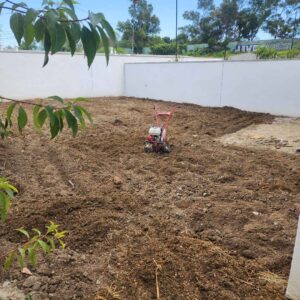
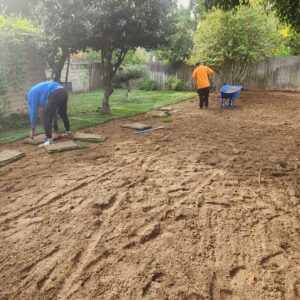
The process of installing grass faces several common errors. Which include failure to consider sunlight exposure, wrong assessment of water needs, and selection of grass. That does not match soil type, and lack of proper soil preparation before planting. People should dedicate time to understand their available options. Because this approach prevents problems from happening while it generates improved outcomes.
Final Thoughts
Your Los Angeles lawn needs you to select the perfect grass type. Which serves as the most vital decision for your outdoor space. The best selection will create a healthy-looking lawn which maintains its strength through natural environmental interactions.
The system will help you decrease maintenance work while it enables you to control your water distribution more effectively. A well-planned lawn needs more than visual appeal because it should provide functional space. Which supports eco-friendly practices and offers enjoyable experiences for many years.