
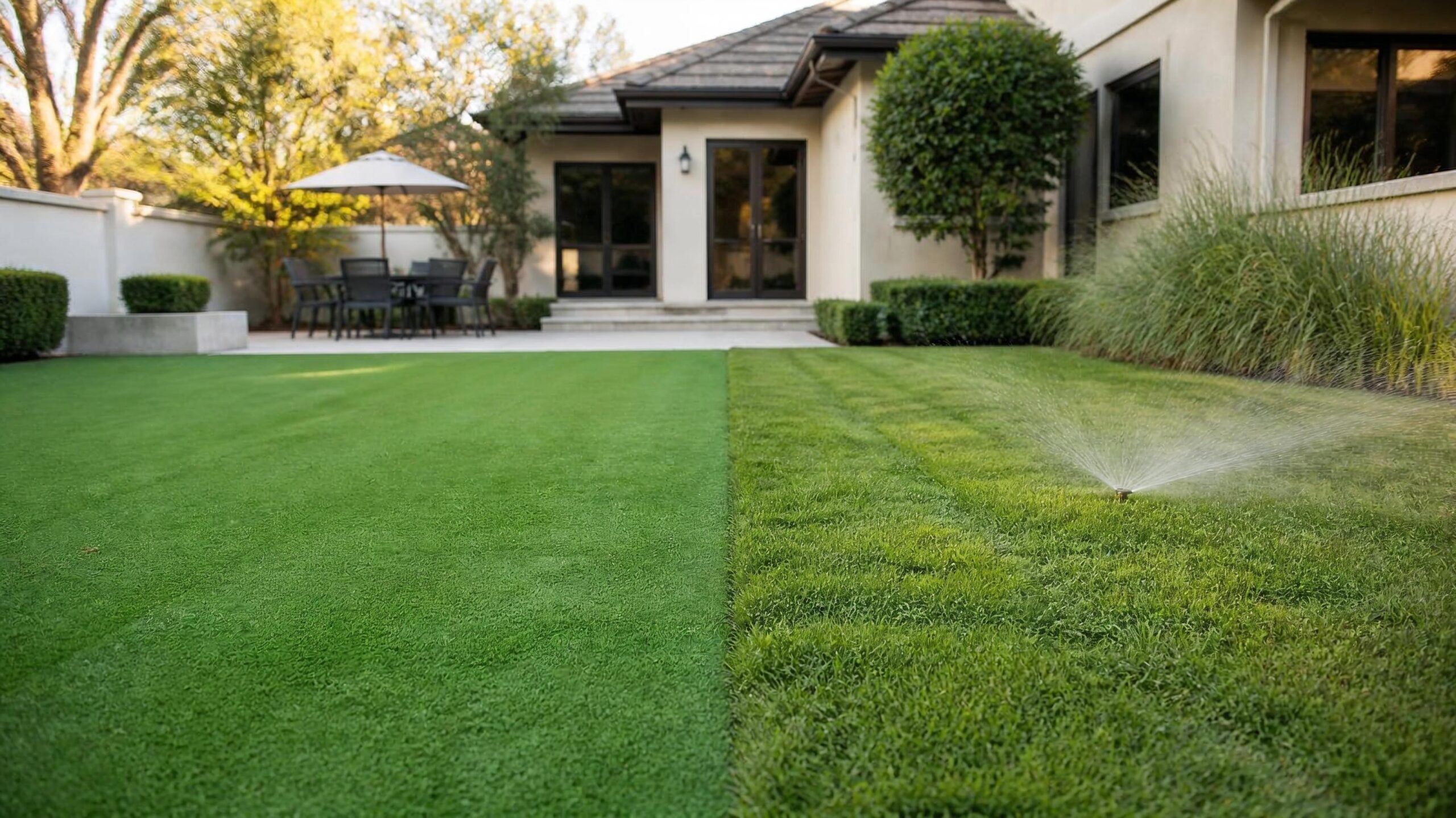
If you dream about having an eye-catching lawn to spruce up your space, whether it’s for your front yard or family-friendly backyard, chances are you’ll need to decide between artificial turf vs natural grass when designing or renovating your landscaping. Artificial turf never changes color during seasons but maintains its green appearance through minimal maintenance needs.
Meanwhile, natural grass offers an authentic experience, making you feel cool while providing a healthier outdoor environment around you. Deciding between these two types of lawns depends on different factors such as budgets, lifestyles, climates, and more based upon their usage intentions.
This comprehensive guide compares artificial turf against natural grass to assist individuals in picking out what works best depending on them personally rather than just going by generalizations alone.
What Is Artificial Turf?
An artificial turf is a grass that looks like the real one. Unlike the natural grass which needs you to trim it regularly, give it water and feed it, the artificial one doesn’t require such things to keep them alive. The modern artificial turf comprises fake grass fibers placed above a particular base that eliminates surplus water.
The artificial grass is also called artificial turf. This kind of product is a substitute of real grass since it requires very little time to maintain its quality. So, if you plan to use some turfs then it’s better to go with artificial ones instead of real ones.
Some common usage of artificial turfs:
- Front yards
- Backyards
- Pet areas
- Play grounds
- Roof top garden
- Commercial landscapes
- Sports field
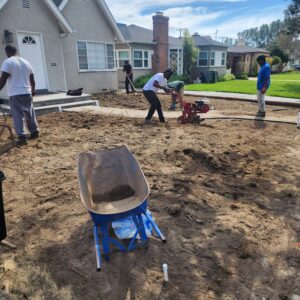
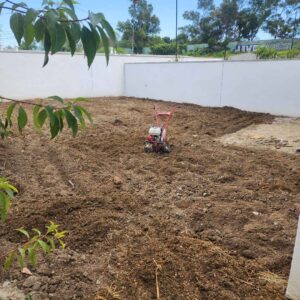
A professional installation process consists of ground prep, a compacted base, drainage materials, weed protection & infill to enhance durability & appearance.
What is natural grass?
It’s a living lawn of grass growing in soil and requiring some maintenance to keep it healthy. You may select from several types of warm season or cool season grass varieties based on your particular climate.
A healthy natural lawn offers several benefits:
Cooler Outdoor Temperatures Better Rainwater Absorption Improved Curb Appeal Softer Surface For Kids & Pets Natural Outdoor Environment
Of course, to maintain the benefits of a natural grass lawn, there’s the cost of mowing, watering, fertilizing, weed control and more.
Appearance and Curb Appeal
Consistently Green Lawn – Artificial turf will always provide a green lawn no matter what time of the year it’s used, avoiding any issues with dry areas or seasonal colour changes.
Clean, Manicured Appearance – A nice benefit of artificial turf is that it looks good all year round with minimum effort required to keep it looking great.
More Authentic Look & Feel – A lot of homeowners enjoy the feeling, smell and general aesthetic qualities of actual natural grass on their property. A well-maintained lawn gives added curb appeal to homes.
Real Grass Can’t Be Replaced – If you’re looking for the ultimate in genuine outdoor experiences, there isn’t anything quite like having real grass growing beneath your feet! However, if your number one priority is keeping up a tidy-looking lawn with minimum work involved, artificial turf is still an outstanding solution.
Installation
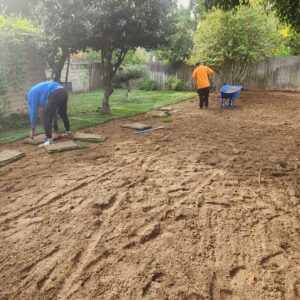
When installing artificial turf professionally, they will take care of removing your current lawn, preparing the base, improving drainage if needed, laying down the turf itself, applying infill material to give it that nice natural look you love most about real grass!
To successfully plant natural grass through either method (sod vs seed), there must be plenty of healthy soil beneath with good grading around its edges while ensuring great drainage qualities are at play here too! You’ll also need to choose which type(s) work best given their specific uses – just remember professional help should always be sought out when doing anything involving actual dirt removal processes involved!
Maintenance
What sets turf apart from natural grass is how little effort it requires. With artificial turf, you don’t have to mow your lawn, put fertilizer on it, or water it constantly. All you have to do to maintain it is pick up trash, hose it down, sometimes brush the fibers every now and again, and ensure that it doesn’t need any small fixes.
On the flip side, there’s plenty of hard work involved in maintaining natural grass. In addition to mowing, watering, putting fertilizer on, getting rid of weeds, and doing various things to it throughout the year, some folks even enjoy taking care of their lawns. However, others appreciate that with turf, they can easily take care of what’s needed without having to put in as much work into their yards. When it comes to maintenance alone, natural grass and artificial turf could hardly be more different!
Water Usage and Environmental Impact
Artificial Turf Does Not Need A Lot Of Water
After you get artificial turf down there won’t be too much watering required making it perfect if water conservation is important to you. There isn’t any need to mow your grass anymore and since artificial turf doesn’t give bad air this will mean fewer chemicals being used (i.e., fertilizers/pest killers).
Artificial Turf Doesn’T Make Bad Air
When we talk about natural grass this is definitely going to need more water than artificial turf which is always a plus when talking about protecting our environment. Having a nice big lawn can help reduce temperatures around your home while also improving soil quality by absorbing rainwater and allowing beneficial organisms (bugs!) to thrive in your garden!
Cost and Long-Term Value
While artificial turf tends to be higher up front due to the preparation required, you can expect your costs related to maintenance of natural grass will be much less over time (there won’t need to be mowing, fertilizing or regular watering). On the other hand, if you go with a real lawn, you’ll want to factor in the costs associated with its upkeep — irrigation, fertilizer, lawn treatments, equipment or even hiring a lawn care service — which could make this option more expensive over the years compared with installing turf. Rather than just looking at one-time costs, take into account all of these potential expenditures when factoring in how much you’re willing to spend overall to get what you desire over many years. Which Option Is Right For You?
Choose Artificial Turf If You:
- Do you want a minimum amount of work required?
- Would you prefer a green lawn all-year-round?
- Are you looking for ways to reduce your routine water usage?
- Do you have pets or kids that make frequent use of the backyard? Or maybe you’re just looking for other reasons.
Is a busy lifestyle one of them?
Choose Natural Grass If You:
- Do you enjoy lawn care and gardening?
- Do you prefer the look and feel of real grass?
- Would you like to get the benefits of having a naturally cooler lawn without much effort?
- If you appreciate a lush, living landscape and already have an efficient irrigation system on hand, artificial turf might just be your perfect fit! Read below to learn whether it’s worth switching out for synthetic grass.
FAQs About Synthetic Grass
Is artificial turf better than natural grass?
Not necessarily. It all depends on what you’re looking for. Artificial turf has its perks when it comes to low-maintenance outdoor spaces, but natural grass can give your home curb appeal with minimal upkeep if you take care of the right things.
Does Artificial Turf need Maintenance?
Yes, but the good news is that you won’t have to do too much! You’ll need to clean and brush the turf occasionally. Additionally, you should keep an eye out for some minor damages.
How much Water does Artificial Turf Require?
One huge plus point about installing artificial turf over your actual lawn is that it will need way less amount of water. Of course, there are other factors affecting the frequency of watering up to you, like climate and types of grasses in your garden.
The bottom line is that there isn’t a single winner in this debate between artificial turf versus natural grass, as both come with pros and cons. To find the perfect solution for your situation, evaluate which one meets your preferences most. For example:
If you’re looking for an easy-to-maintain lawn without worrying about its color changing frequently during the year, then synthetic grass is definitely worth considering.
But if the natural look and feel of fresh greenery along with enjoying cooler temperatures at times outside make more sense than anything else, go ahead – opt for planting real grass in your lawn!
Before deciding on either side entirely based upon these considerations alone though remember always take into account how often people use their yards around town & weather conditions specific location-wise. Ultimately choosing the right kind of grass today could give decades full-of-fun memories waiting just behind every corner!