
Homeowners usually focus on sprinkler heads and irrigation controllers and underground pipe systems when they plan their lawn irrigation designs. The sprinkler backflow preventer stands as the element which people tend to neglect most frequently.
Backflow preventers serve as vital components which protect drinking water from contamination although they remain hidden in irrigation systems. The system protects drinking water from backflow of irrigation water when specific pressure situations occur.
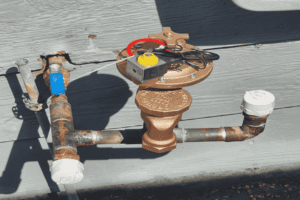
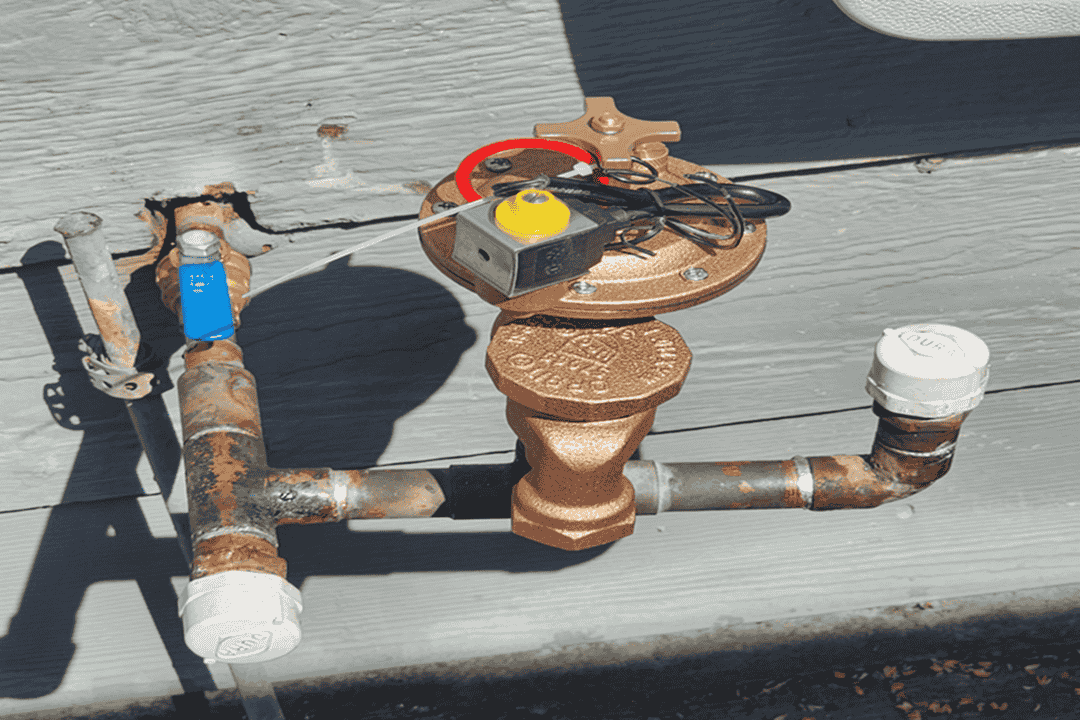
The image above shows an irrigation backflow assembly installed on a property. The water-supply protection system consists of a backflow device along with shut-off valves and linked piping and testing equipment.
Homeowners can protect their irrigation systems through understanding the function of this component and its vital importance and by recognizing its warning signals.
What Is a Sprinkler Backflow Preventer?
A sprinkler backflow preventer operates as a plumbing device which stops irrigation water from flowing backward into the drinking water system.
Water normally moves from the main supply toward the irrigation system. Water tends to move backward under standard operating conditions but it can flow forward through the system when unusual pressure situations occur.
Irrigation water comes into contact with soil and fertilizers and lawn treatments and other environmental contaminants during the irrigation process. The system will allow contaminated water to flow backward when the irrigation system pressure exceeds the potable-water line pressure.
Backflow prevention devices which receive correct maintenance and selection will help defend against these risks. The specific backflow protection system which needs to be installed depends on the combination of irrigation system layout and water source and property characteristics and local regulations.
Why Is Backflow Prevention Important?
The backflow protection system serves a purpose which extends past its basic function to keep sprinklers working correctly.
The irrigation system connects to water supply lines which deliver water for household needs including drinking, cooking, and bathing and all other typical home uses. The water supply needs protection from reverse flow because irrigation areas contain soil and fertilizers and pesticides and other substances.
Backflow prevention serves as a dual-purpose system which protects both plumbing infrastructure and public health.
The backflow event will remain undetected by homeowners during all of its occurrences. The protective device requires proper installation and maintenance because it serves as an essential irrigation component rather than an optional accessory.
How Does Backflow Happen?
Water will flow in unplanned directions because of two basic conditions which exist: backpressure and backsiphonage.
Backpressure
Backpressure can occur when pressure on the irrigation side becomes greater than the pressure on the supply side. The system experiences this when water distribution becomes unbalanced because of elevation differences and pump operation and other pressure-related factors.
Backsiphonage
Backsiphonage occurs when the pressure in the potable water supply drops below the pressure in the connected system. Water pressure decreases suddenly which creates a situation where water can move in reverse through the plumbing system that links different parts together. A backflow prevention system which receives proper design work will stop these situations from occurring.
What Can You See in an Irrigation Backflow Assembly?
The image shows multiple components which make up the equipment unit. The primary backflow device consists of a big central bronze-colored body unit. The system can shut down for maintenance or testing through its surrounding piping and shut-off valve system.
The assembly contains various smaller components along with test points which serve different purposes during device inspection and testing procedures.
Different backflow assemblies contain various design elements so homeowners need to understand that each component in an installation serves its own unique function.
The first step for device repair or testing requires people to discover both the device model and the way it was installed.
Common Signs of a Backflow Device Problem
A problem with the backflow assembly does not always mean the device itself has completely failed.
Some warning signs may include:
- Water leaking around the assembly.
- Unusual dripping from the device.
- Reduced irrigation pressure.
- Sprinklers performing differently than usual.
- Visible corrosion.
- Damaged shut-off valves.
- Difficulty operating valves.
Water flowing when the irrigation system should be inactive
The listed symptoms could result from different problems which exist in other parts of the irrigation system. Low sprinkler pressure can result from several factors which include a blocked filter or a broken pipe or a malfunctioning valve or water supply problems that extend beyond the backflow device. The system requires us to identify its problems before we start replacing any components.
Why Backflow Devices Can Develop Problems
Irrigation equipment stays outside because it faces weather conditions and moisture exposure and temperature fluctuations and mineral buildup and potential physical harm.
The various system components including valves and seals and connections will experience operational changes because of these conditions.
The corrosion process reveals itself through visible damage to older assemblies. The picture demonstrates how aging and corrosion have affected the pipework which surrounds the area so inspectors need to keep an eye on it during standard irrigation checks.
Other potential causes of problems include:
Normal Wear
The internal parts of machines will experience degradation throughout time until they reach a point where they need to undergo maintenance or replacement procedures.
The outdoor environment causes metal parts to develop corrosion when they stay outside of their original placement especially when the metal encounters water exposure.
Debris
Dirt or other particles entering the water system may affect valves or internal components.
Freezing or Extreme Weather
Although freezing conditions are not typical of every Southern California property, exposed plumbing can still be vulnerable in locations where temperatures drop significantly.
Physical Damage
Backflow assemblies which sit close to walkways and driveways and landscaping work and other active spaces face the risk of accidental harm.
Does a Backflow Preventer Affect Sprinkler Pressure?
An actual pressure problem exists but people should not believe that backflow devices create all pressure-related issues. A properly functioning irrigation system should deliver water at a pressure suitable for its design. The following list contains various reasons which might explain why your sprinkler heads produce weak water flow and stop moving correctly and decrease their coverage range.
These can include:
- Partially closed valves.
- Clogged filters.
- Underground leaks.
- Damaged pipes.
- Faulty irrigation valves.
- Water-supply changes.
- Problems within the backflow assembly.
A pressure test and system inspection procedure will show users the exact location where the problem first developed.
Backflow Preventer Maintenance
Regular inspection can help identify problems before they become more disruptive. Homeowners need to inspect the assembly through visual examination to detect any visible problems which include leaks and corrosion and broken fittings and strange water flow.
However, testing and servicing a backflow prevention device may require qualified professionals and equipment, depending on the device and local requirements.
A good irrigation maintenance routine should include checking the backflow assembly along with sprinkler heads, valves, controllers, pipes, and irrigation zones. The maintenance of all system components produces better results than concentrating on single parts.
Why Professional Inspection Matters
The repair process needs special care because backflow prevention systems which protect irrigation and drinking water must receive more complex attention than standard sprinkler head replacements.
A professional can determine whether the problem is related to the backflow device, irrigation plumbing, valves, pressure, or another component.
The evaluation process will determine if the current assembly meets system requirements and if additional testing or inspection needs to occur.
The inspection process becomes essential for properties which have older irrigation systems and for those that underwent multiple system changes during their operational period.
What Homeowners Should Know Before Replacing a Backflow Device
The process of replacing backflow assemblies requires more than just selecting a replacement unit which appears similar to the existing one.
The proper equipment selection process depends on the irrigation system design and all relevant rules which apply. The installation process requires designers to handle flow direction and shut-off access and pipe connection points and system location and testing needs.
The system needs evaluation before replacement parts selection when the current assembly shows signs of damage or it has become obsolete. The method prevents users from selecting wrong devices which would lead to rework during future installations.
How Backflow Protection Fits Into a Complete Irrigation System
A reliable irrigation system requires various components which must operate as a unified system.
These may include:
- Water supply connection.
- Backflow protection.
- Shut-off valves.
- Irrigation valves.
- Underground pipes.
- Sprinkler heads.
- Filters.
- Irrigation controller.
- Sensors or smart controls.
A problem in one area can affect the performance of another. Water supply restrictions near the source create pressure changes which impact the entire irrigation system. The irrigation system shows different operational patterns between its zones because of a broken valve. The complete system knowledge enables people to identify problems with higher accuracy.
Frequently Asked Questions
What does a sprinkler backflow preventer do?
The system stops irrigation water from moving back into drinking water systems through its backflow prevention system which activates when specific pressure thresholds are reached.
Does every irrigation system need backflow protection?
Backflow protection requirements depend on the system, water source, property conditions, and applicable local regulations. A qualified professional or local water authority can determine what protection is required.
How often should a backflow preventer be checked?
The maintenance of irrigation systems should include visual inspections as part of their scheduled upkeep. Different devices require various testing standards which depend on their location and device type and jurisdictional rules.
Why is my backflow preventer leaking?
The plumbing system faces various issues which include worn internal parts and damaged connections and corrosion and pressure problems and other possible plumbing system failures. The source should be identified before replacing the entire assembly.
Can a backflow problem cause low sprinkler pressure?
The water system experiences pressure problems because of this issue but other sources including valves and filters and pipes and leaks and the water supply can also cause low pressure. Proper diagnosis is important.
Final Thoughts
A sprinkler backflow preventer may not receive as much attention as sprinkler heads or irrigation controllers, but it serves an important protective function within an irrigation system.
The assembly shown in the image demonstrates how several plumbing components work together around the backflow device. Keeping these components in good condition can help support reliable irrigation performance while protecting the connected water supply.
If you notice corrosion, leaking, unusual pressure changes, damaged valves, or other concerns around your irrigation backflow assembly, don’t assume the entire irrigation system needs replacement. A proper inspection can identify the actual source of the problem and determine the appropriate next step.
For homeowners maintaining an irrigation system in Los Angeles, regular inspection of both visible and underground components is a practical part of responsible landscape maintenance.